

Start here
Which leader for your fishing
Pick the job, and the line, strength and length follow. Prices and stock are live.
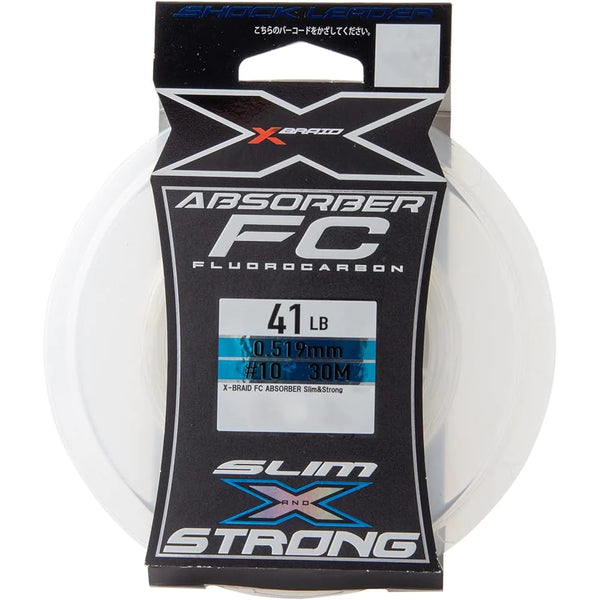
Softbaiting for snapper
FC Absorber Tight Knot 12 to 25 lb
Fluorocarbon · 2 to 3 m · FG or tied direct
Twenty pound is the usual starting point, 25 to 30 lb over rough ground, at least a rod length and up to three metres so you can retie a few times. Tight Knot holds its strength at the knot and comes off the spool straight; Slim & Strong is the step up in strength.
Slow jigging and micro jigs
Up-G Leader V12 Hard 13 to 32 lb
Fluorocarbon · 2 to 2.5 m
Two to two and a half metres of 20 to 30 lb fluorocarbon for slow jigs; a metre or two of 12 to 20 lb for micro jigs. The V12 Hard takes the rubbing on reef; Slim & Strong covers the heavier end.
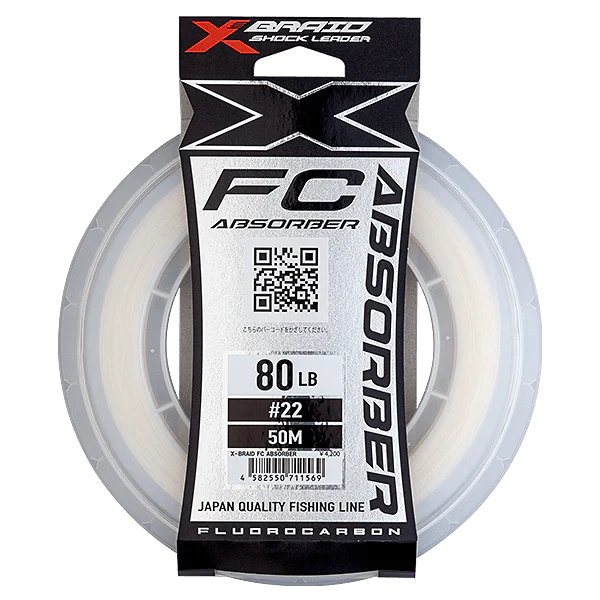
Mechanical jigging for kingfish
FC Absorber 60 to 100 lb
Fluorocarbon · 2 to 3 m
Heavy fluorocarbon for rubbing on structure, tied with an FG or PR knot so the join runs through the guides.

Topwater for kingfish
Castman Absorber 80 to 130 lb
Nylon · 3 to 5 m
Nylon is the usual topwater choice: it floats, and it stretches on the strike where fluorocarbon can feel springy. Three to five metres, longer than the fish.
Straylining and bait
Castman Absorber 30 to 60 lb
Nylon · about a metre
A metre or so of 30 to 60 lb nylon trace for straylining and livebaiting; the stretch cushions a bait rod's hook-up.
Game trolling
Castman Absorber 130 to 200 lb
Nylon · 3 to 9 m
Game leaders run at least three metres and often much longer; the heavy Castman sizes take the strain of a trolled lure and a big fish.
Fluorocarbon or nylon?
Fluorocarbon or nylon?
Two materials, two jobs.
Stealth and abrasion
Closer to invisible underwater, harder-wearing on reef and teeth, and it sinks. Less stretch, so you feel more. The pick for softbaiting, jigging and anything that rubs on structure. Knots need wetting and a careful pull-down.
Stretch and float
Stretches on the strike, so it cushions a big hit and a bait-rod hook-up, and it floats, which suits topwater. Supple, so knots pull down easily even in the heavy sizes. The pick for topwater, straylining, livebait and game trolling.
How long and how strong
How long and how strong
Longer means more retying before a new leader; shorter keeps the join outside the guides.
| Fishing | Leader | Strength | Why |
|---|---|---|---|
| Softbaiting | 2 to 3 m, at least a rod length | 20 lb; 25 to 30 lb over rough ground | Room to retie after a few fish; the join stays off the reel on the cast. |
| Slow jigging | 2 to 2.5 m | 20 to 30 lb fluorocarbon | Enough to clear the bottom; short enough to keep the join clear. |
| Micro jigs | 1 to 2 m | 12 to 20 lb | Light line for small lures. |
| Mechanical jigging | 2 to 3 m | 60 to 100 lb fluorocarbon | Abrasion where kingfish run to structure. |
| Topwater, kingfish | 3 to 5 m | 80 to 130 lb nylon | Longer than the fish; nylon stretches on the strike. |
| Straylining and livebait | About 1 m | 30 to 60 lb nylon | A short trace keeps the bait natural. |
| Game trolling | 3 m to 9 m | 130 lb and up | Long leaders for wiring fish and lure spread. |
Braid to leader
Joining braid to leader
The FG for softbaiting and jigging, the PR for heavy leaders. Both run through the guides; both need practice on the bench before the boat.
Wraps of braid cinched around the leader, locked with half hitches, with the tightening step that stops it slipping. The slim join for softbaiting and jigging.
Video by Just The Lip Fishing, on YouTubeBraid wound onto the leader with a bobbin and locked with half hitches. For heavy fluorocarbon and nylon on topwater and jigging gear.
Video by Shimano Fishing NZ, Tony Orton, on YouTubeAlso
Two more that work
Quicker to tie, bulkier through the guides.
Thick to thin
Braid wrapped back over itself around a doubled leader, then pulled tight. Joins lines of very different diameter, so it suits a heavy nylon leader on lighter braid. Keep the join outside the guides.
The quick one
Two uni knots tied back to back and pulled together. The simplest join on the boat and fine for bait and strayline leaders; bulkier than an FG, so keep it outside the guides.
When to retie
When to retie
Leaders are cheap; the fish that breaks one isn't.
After every good fish
A kingfish or a big snapper drags the leader over its own body, the reef and the boat. Check it, and retie or trim the last half metre before the next drop.
Nicks and flat spots
Any nick, white mark or flat spot is a break waiting for load. Cut above it and tie again rather than hoping.
Run it through your fingers
After a snag, a rub on structure or a long fight, slide the leader between thumb and finger from the knot to the hook. Roughness you can feel is damage.
Knot check
Pull the join hard by hand before the first cast of the day and after every retie. A knot that slips a little will slip all the way on a fish.
XBraid
XBraid leaders
Fluorocarbon and nylon from YGKFC Absorber Slim & Strong and FC Absorber in fluorocarbon, Castman Absorber in nylon: 15 to 200 lb, every size with its YGK # rating on the spool. Prices and stock are live.
- The mission
- Finish the setup
- Best for
- SoftbaitingJiggingTopwaterGame

- Save 10%staff pick


- Save 10%


Questions
Leader questions
Short, plain answers.
Do I need a leader on braid at all?
Yes. Braid is visible, has no stretch and cuts on structure. A leader hides the join from the fish, cushions the strike and takes the rubbing. Even a metre makes a difference.
Fluorocarbon or nylon for softbaiting?
Fluorocarbon. It is harder to see, harder-wearing on the bottom and sinks with the jighead. Nylon's stretch is a benefit on topwater and bait, not on a softbait.
What strength for snapper?
Twenty pound covers most softbaiting; go to 25 or 30 lb over rough ground or where big fish live. For straylining with bait, 30 to 60 lb nylon.
How do I stop fluorocarbon coiling?
Use a thinner line for the strength, which bends more easily, and pull a new leader off the spool under light tension. Tight Knot is built to resist coiling; a stretch by hand straightens most lines.
FG or PR?
FG for leaders up to about 60 lb, tied without tools. PR for heavy leaders, 80 lb and up, where the bobbin gives a neater, stronger wrap. Both pass through the guides.
How often should I change the leader?
Whenever it is nicked, flattened or rough to the touch, after every good fish, and at the start of a trip if it has sat on the rod for a week. A fresh leader is the cheapest insurance on the boat.
Where the figures come from
Sources
YGK size tables and xbraid.co.nz
# size, strength, spool length and specific gravity for Slim & Strong and Castman Absorber from YGK's leader pages; Tight Knot and Up-G figures from YGK and the NZ distributor.
Japanese # standard
YGK publishes the # size, not millimetres. The chart uses the Japan Fishing Tackle Manufacturers Association standard diameter for each # size, which matches the 0.620 mm measured for Slim & Strong #14 in Hooked Up magazine's review.
Tough Fluorocarbon spec table
The strength and diameter table on the Tough Fluorocarbon product page, used as the comparison line in the chart.
NZ Fishing News, Boating NZ
Leader lengths and strengths for softbaiting, jigging and topwater, and the knots NZ anglers use, from NZ Fishing News (what trace to use; selecting leader and trace) and Boating NZ (leaders for kingfish). Checked October 2026.
Related guides
Keep reading
Lines
Braid guide
Why braided PE line beats monofilament for lure fishing, what a PE rating means, and the braid and leaders for every style.
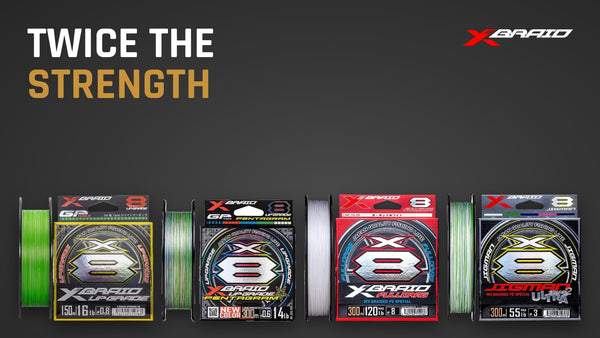
Lines
XBraid vs Black Magic guide
XBraid and Black Magic braid compared on each maker's published figures: up to twice the rated strength at the same PE, and which XBraid suits your fishing.
Softbaiting
Softbaiting guide
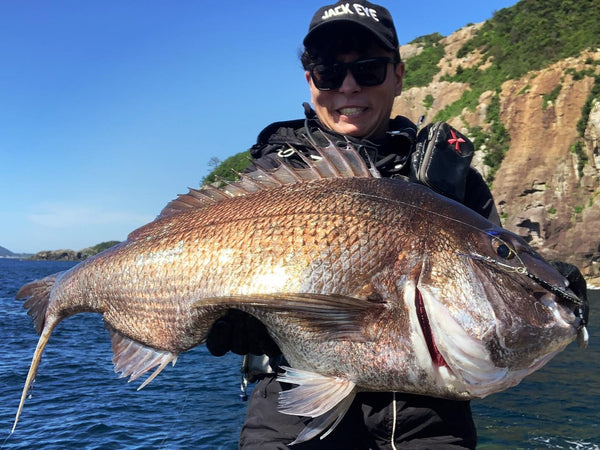
The rod, reel, braid, softbaits and jigheads that catch snapper in New Zealand, from a first setup to a technical one, rods and reels by budget, and how to fish them.
Topwater
Topwater kingfish guide
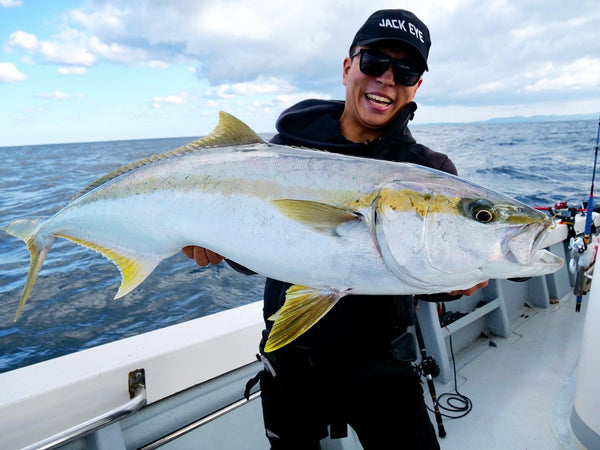
Braid, rods, reels, kingfish-sized stickbaits, poppers and minnows, and the terminal tackle in between.